How AI is Eroding Independent Problem-Solving Skills
Understanding How Passive AI Use Affects Learning and How to Use AI More Effectively
AI has made learning feel faster and more efficient, but many students use it to reduce the need for active thinking. When learners ask AI for a direct answer without attempting to solve the problem first, they save time but weaken their long-term learning.
What is actually going wrong? The issue isn’t the tool itself, but cognitive replacement. When AI replaces thinking instead of supporting it, the brain loses the chance to practice problem-solving. This lack of effort weakens mental sharpness and erodes confidence in independent thinking.
Understanding the Science of Neural Strengthening
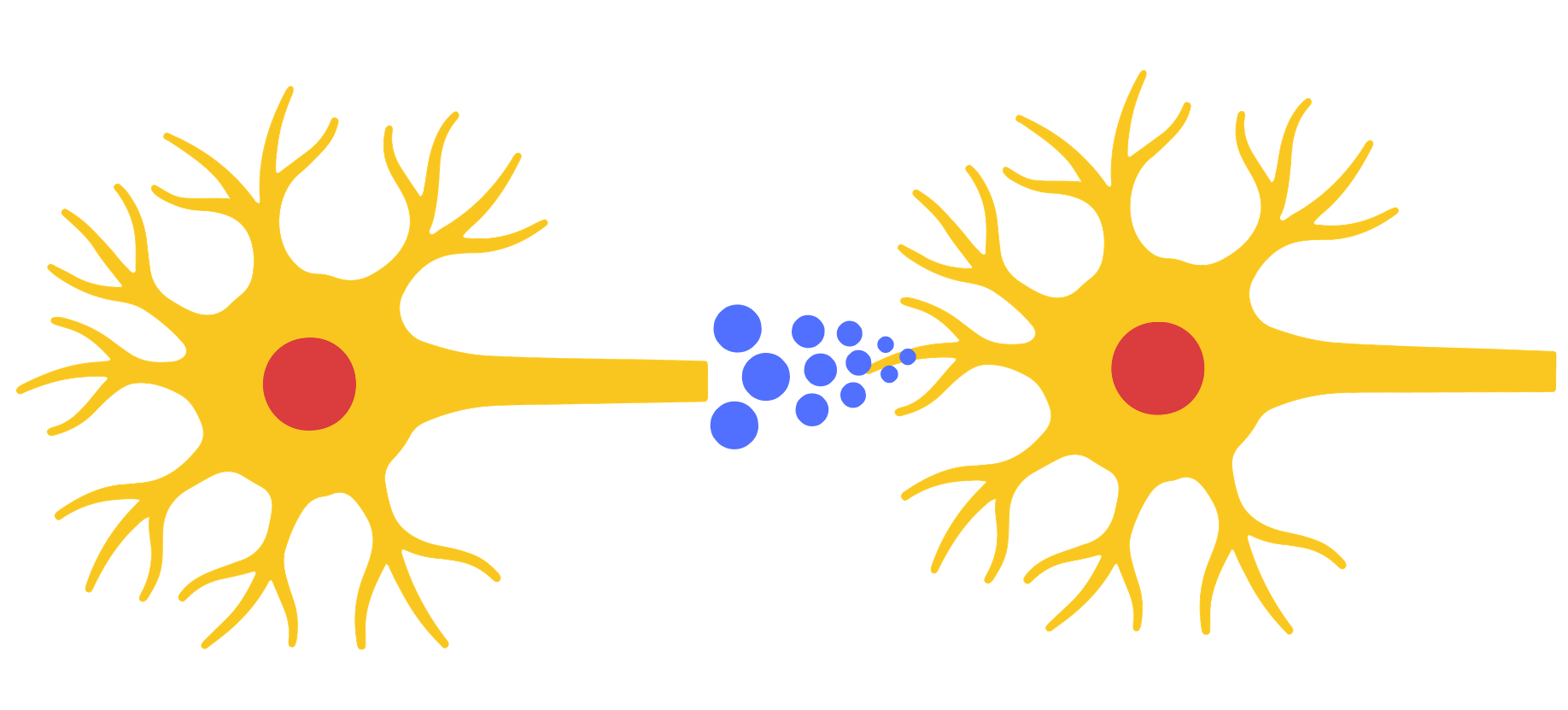
Learning is not simply receiving information; it involves physical changes inside the brain through repeated effort. One of the most important processes is synaptic plasticity: the brain’s ability to create and strengthen connections between neurons.
When you encounter something new to learn, your brain forms fresh neural connections. At first, these connections are weak, so the topic feels confusing and slow to understand. With repeated practice, these connections become stronger. As a result, understanding becomes quicker, and thinking feels smoother.
A simple way to picture this is learning to drive. Watching from the passenger seat does not build skill. You have to steer, brake, and react on your own. In the beginning, it feels difficult because your brain is handling many unfamiliar actions at once. After enough practice, those actions begin to feel natural and automatic.
As you repeat a skill, the pathway used for that skill becomes more efficient. Over time, a fatty substance called myelin forms around the axons involved. This layer helps signals move faster, which improves reaction speed and mental efficiency.
That is why experienced drivers respond almost instantly. Their brain pathways have been strengthened through steady practice.

Why Easy Learning Can Be Misleading
Many learners turn to AI to remove difficulty from studying. They may ask for full assignment solutions without trying on their own, upload a PDF and read only the summary, or rely on simplified explanations that feel easy to read. This can feel productive because information is delivered quickly and clearly. However, removing effort also removes the mental work that strengthens thinking.
Recognition vs Understanding
Real learning happens when the brain searches for answers and connects ideas. When you struggle with a problem, you force your mind to test possibilities and build memory links. Instant answers skip this process. Instead of building deep understanding, the brain develops recognition, a sense that something looks familiar. Familiarity feels like knowledge, but it often fades quickly and is harder to use in real situations.
Cognitive Outsourcing
When thinking tasks are repeatedly handed to tools, the brain uses its reasoning and creative abilities less often. Over time, skills that are not used tend to weaken. Relying too heavily on outside help can make it harder to analyze problems, form ideas, or solve unfamiliar challenges without assistance.
False Confidence
Clear and polished explanations can create the feeling that a topic is fully understood. This confidence may not match actual ability. If the material was not processed through effort, recall becomes weaker and applying the knowledge later becomes difficult. Many learners notice this when they feel confident while reading explanations but struggle when facing questions on their own.
Using AI in a Way That Strengthens the Brain
The goal is not to avoid AI, but to use it in ways that support thinking instead of replacing it. When used carefully, AI can help you stay engaged with the material while still benefiting from guidance and feedback.
Attempt Before Asking
Start by trying to solve the problem on your own before turning to AI. Even if your attempt is incomplete or incorrect, the effort activates brain pathways that make it easier to remember the correct solution later. Struggling first prepares your mind to absorb new information more effectively.
Ask for Hints Instead of Full Answers
Rather than asking for the final solution, ask for small hints or the first step. This keeps you involved in the process of solving the problem. You still think through the steps yourself, which helps build stronger reasoning skills and longer lasting memory.
Use AI as a Priming Tool
AI can be useful for getting a quick overview of a topic or creating a simple structure before studying in detail. For example, you might ask for a short summary to understand the main ideas, then read the full chapter or document on your own. The detailed explanations and examples you encounter during reading help secure the new information in memory. Without that deeper exposure, the information is easier to forget within hours or days.
Verify and Critique Your Thinking
After solving a problem, use AI to check your reasoning or point out mistakes. This allows you to keep the effort that builds learning while still getting feedback. Understanding why an answer is wrong often strengthens learning more than simply seeing the correct answer.
The Long-Term Importance of Active Thinking
Strong learning depends on active involvement from the brain. Effort, repetition, and reflection help neural pathways grow stronger through processes such as synaptic plasticity and myelination. These changes make thinking faster, memory more reliable, and problem solving more natural over time.
Independent thinking remains one of the most valuable skills in education. Technology can support this ability, but it should not take over the thinking process itself. People who stay mentally engaged while using AI are more likely to gain lasting knowledge and stronger reasoning skills.
In the long run, the difference is clear. Those who rely only on quick answers may move faster in the moment, but those who practice active thinking build abilities that stay with them for years.
Further Readings
- de Bruin ABH, Dealing with Desirable Difficulties: Supporting Students to Accept, Reduce, or Silence Effort, Med Sci Educ. 2023 Oct 13; doi: 10.1007/s40670-023-01911-y.
- Jose B, Cherian J, Verghis AM, Varghise SM, S M, Joseph S., The Cognitive Paradox of AI in Education: Between Enhancement and Erosion. Front Psychol. 2025 Apr 14; doi: 10.3389/fpsyg.2025.1550621.